Overview
Plug-in Hybrid
Electric Vehicles (PHEVs)
use batteries to power an electric motor
and incorporate an internal combustion engine (ICE) that can recharge
the batteries to enable longer
driving ranges. A PHEV
typically runs on electricity stored in the battery until nearly depleted,
generally around 15 – 100 kms depending on the vehicle model and battery size.
Then the car automatically switches
over to use the ICE and can travel several hundred kilometres on a tank of fuel. This can dramatically reduce fuel use and
emissions, especially on short journeys. When
no electricity is available, a
Plug-in Hybrid can run on fuel alone. All
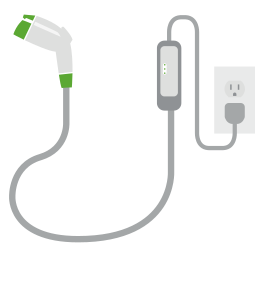
PHEV batteries can be charged by a
Level 1 or a Level 2 type EV charger,
but most cannot be charged by a level
3 DC fast charger.
EXAMPLES OF AVAILABLE
PLUG-IN HYBRID ELECTRIC
VEHICLES (PHEVs)
Audi A3 E-Tron, Audi Q5 TFSIe PHEV, Audi A7 TFSIe, Bentley Bentagya, BMW 225xe, BMW 330e, BMWi8, BMWx5 xdrive40e, Chevy Volt, Chrysler Pacifica, Fiat 500e, Ford C-Max Energi, Ferrari SF90 Stradale, Ford Escape PHEV, Ford Fusion Energi, Hyundai IONIQ PHEV, Hyundai Sonata, Jeep Wrangler 4xe, Karma Revero GT, Kia Optima, Land Rover Defender PHEV, Land Rover Range Rover PHEV, Lincoln Aviator Grand Touring, Mercedes C300e, Mercedes C530e, Mercedes E350e SE, Mercedes GLE550e, Mercedes S550e, Mini Cooper SE Countryman, Mitsubishi Outlander PHEV, Porsche Cayenne S E-Hybrid, Porsche Panamera S E-Hybrid, Skoda Octavia iV, Subaru Crosstrek PHEV, Toyota Prius, Toyota RAV4, Volkswagen Golf GTE, Volkswagen Passat GTE, Volvo XC90 TB, Volvo XC60 T8 PHEV.