Overview
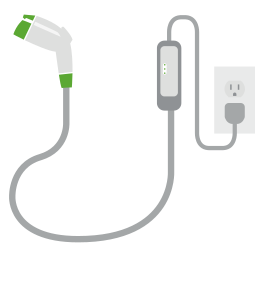
Battery Electric Vehicles (BEVs), also referred to as ‘all-electric vehicles’ or ‘pure electric vehicles,’ run entirely on electricity only and have no gasoline engine. BEVs are moved by one or more electric motors powered by rechargeable batteries. Most of today’s BEVs have lithium batteries. Auto manufacturers choose lithium due to their high power-to-weight ratio resulting in a more extended range in a smaller physical footprint. The battery packs are charged using electricity delivered through an EV charger. There are different types or ‘levels’ of EV chargers, with level 1 being the slowest and level 3 being the fastest; most BEVs can fast charge via a level 3 charger. Unlike gasoline-powered vehicles, BEVs are zero-emission vehicles that do not produce any harmful emissions or air pollution. Today’s BEVs have a driving range-per-charge of between 80 to 500 kilometres; although new models with longer ranges are being released, the 2022 Lucid Air Dream Edition boasts over 500 miles (800kms).
EXAMPLES OF AVAILABLE BATTERY ELECTRIC VEHICLES (BEVs)
Audi e-tron, Audi e-tron GT, Audi e-tron Sportback, BMW i3, BMW i4, Chevrolet Bolt EV, Chevrolet Bolt EUV, Ford Mustang Mach-e, GMC Hummer EV, Hyundai Ioniq Electric, Hyundai KONA Electric, Jaguar I-Pace, Kia EV6, Kia Niro EV, Lucid Air Dream Edition, Mazda MX-30, Mercedes EQS, MG5 EV, Mini Cooper Electric, Mini Cooper SE Electric, Nissan LEAF, Nissan LEAF Plus, Peugeot e-208, Polestar 2, Porsche Taycan 4S, Porsche Taycan Cross Turismo, Rivian R1S, Rivian R1T, Skoda ENYAQ iV, Tesla Model X, Tesla Model Y, Tesla Model S, Tesla Model 3, Tesla Model S Plaid, Volkswagen ID.4, Volvo C40 Recharge, Volvo XC40 Recharge.